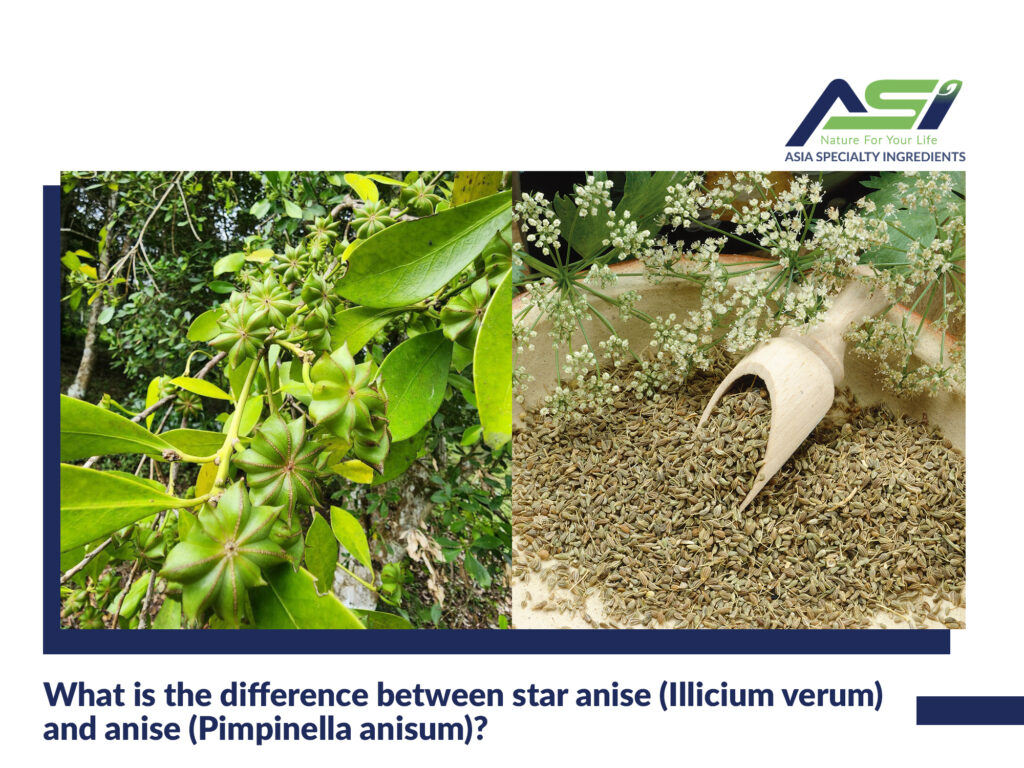
What is the difference between star anise (Illicium verum) and anise (Pimpinella anisum)?
Star anise (Illicium verum) and Anise (Pimpinella anisum) could not be more different botanically. Scent-wise, however, they share a similar aroma, which is perhaps why these two very different plants…
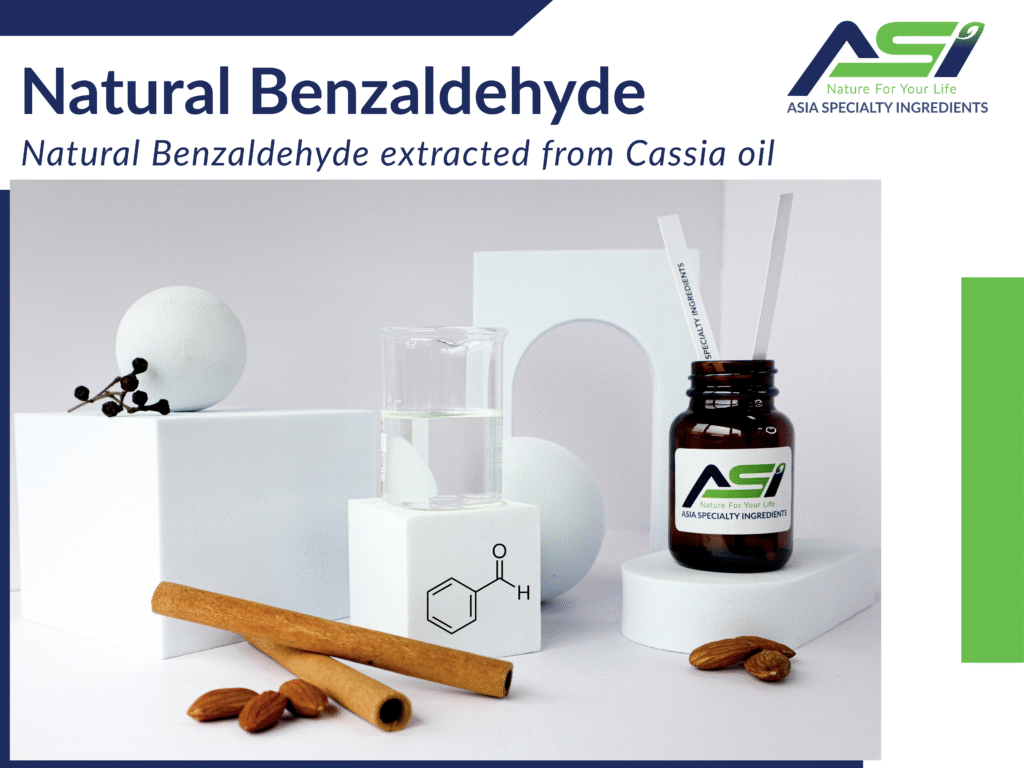
Benzaldehyde is a widely used aromatic compound, best known for its characteristic almond-like scent. While it can be chemically synthesized, increasing consumer demand for natural and sustainable ingredients has sparked…
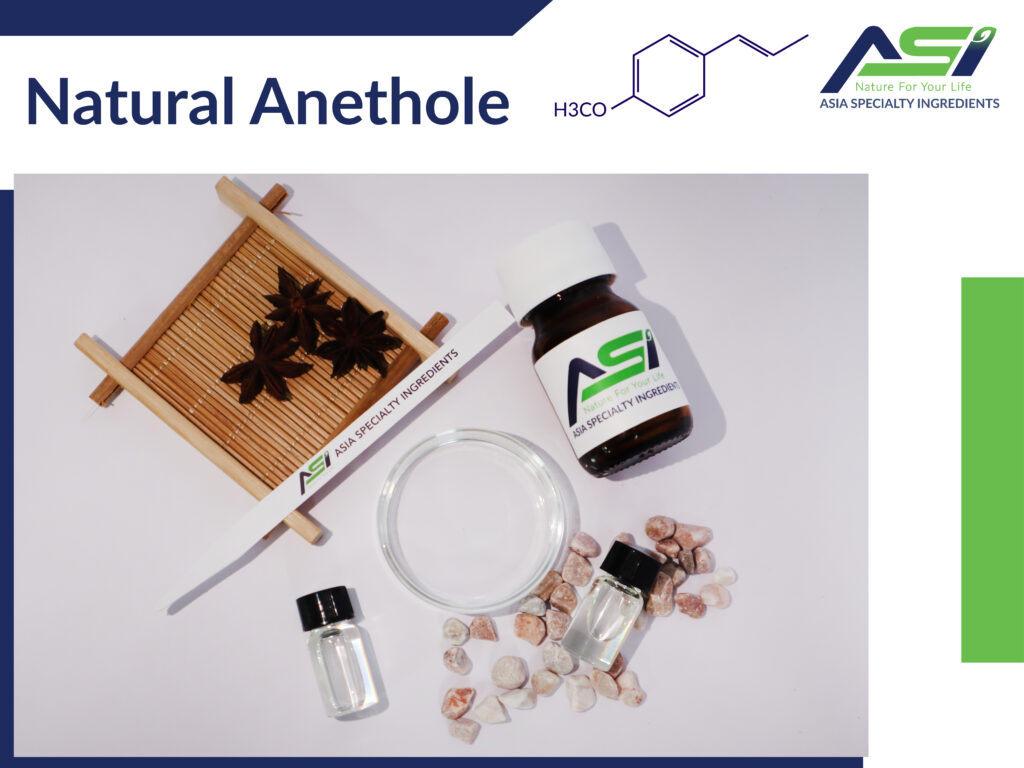
Natural Anethole Overview: Origin, Properties and Applications
As naturally derived compounds gain popularity across various modern industries, anethole has emerged as a remarkable natural aromatic/flavor/fragrance/scent substance. Natural anethole is not only known for its sweet and pleasant…
An Overview of Litsea Cubeba Oil: Composition, Applications, and Safety
Litsea Cubeba Oil, also known as May Chang Oil, is an essential oil derived from the fruit of the Litsea Cubeba tree. With a distinct citrus-like aroma and a rich…
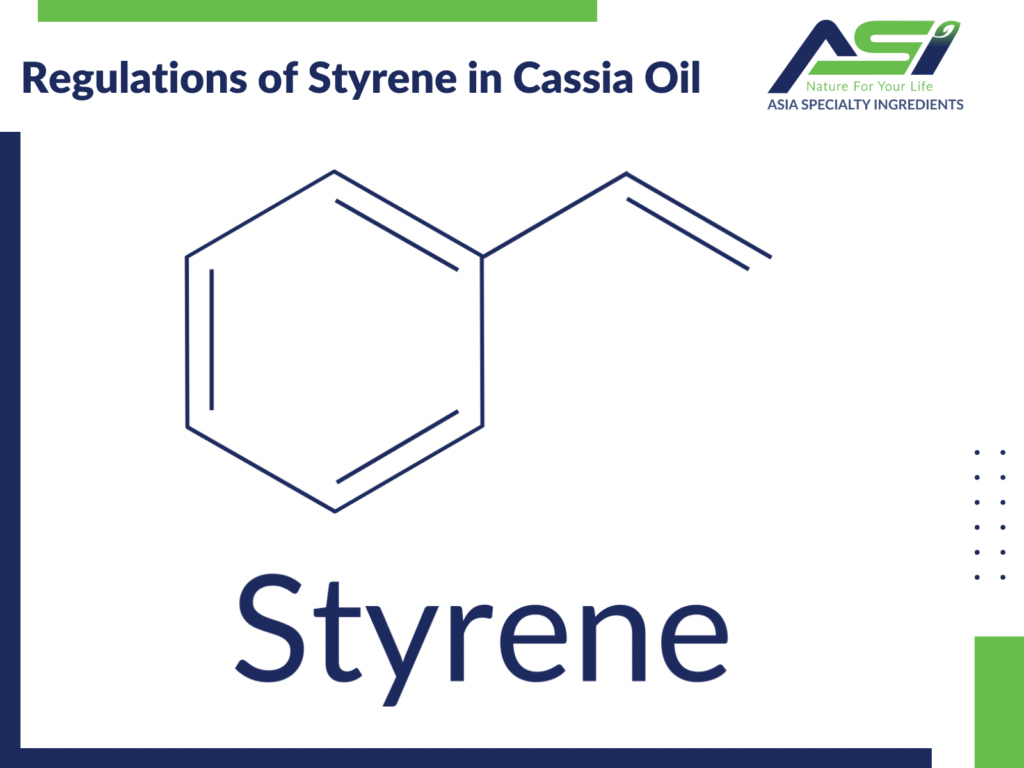
General information of Styrene Identity CAS no: 100-42-5 Molecular formula: C8H8 Chemical formation: C6H5CH=CH2 The IUPAC name for styrene is phenylethene. It is also known as…